HALT

As an addict, if you give in to your cravings, it is possible that this time you might die from the relapse.
Therefore it is crucial for them to have a kind of protocoll to keep them away from their drugs, no matter how much they are craving.

The Alcoholics Anonymous and other Self-Help-Groups use a easy to remember signal-word to examine and control upcoming cravings.

It is called HALT!

HALT, that stands for Hungry, Angry, Lonely, Tired.

Weiterlesen „HALT“

Do Not Wait

What exactly are you waiting for?
Do you have an appointment with something? Your future self?
So, what if it never shows up?

What if it waits for you to do the first step?
What if you need to create it first?

What I do know for sure is that death will show up instead some day.

Weiterlesen „Do Not Wait“

Me, Sober!

Heute stelle ich Euch die Initiative Me, Sober vor.
Dahinter stehen Vlada und Katharina, die es sich zum Ziel gemacht haben, ein alkohol- und drogenfreies Leben zu führen und sich gesellschaftlich dafür stark zu machen.

Es ist so leicht, als junger Mensch alkoholsüchtig zu werden!
Und so schwer, abstinent zu leben. Schwer, nicht nur weil es unüblich ist, sondern, weil die Grundeinstellung unserer Gesellschaft zu trinken ist. Regelmäßig, und ohne je eine bewusste Entscheidung dafür oder dagegen gefällt zu haben.
„Machen doch alle so…“

Nicht zu trinken bedarf Erklärungen, bedarf einer gewissen Rebellion gegen das Establishment.


In ihren Podcasts und auf dem Blog stellen sie immer wieder Menschen vor, die es geschafft haben, aus der Trunksucht herauszukommen und Sinn und Freude ohne Alkohol zu erleben!
Auf Facebook gibt es auch eine von den beiden moderierte Gruppe für Menschen, die rauschlos glücklich leben wollen. Und, sollten sie doch straucheln, alle nötige Unterstützung erhalten.

Von der Webseite me sober stammt dieses Zitat:

Weiterlesen „Me, Sober!“

Hilfe-Signal in Internet-Meetings für Opfer häuslicher Gewalt

Hier seht Ihr das nonverbale Signal für häusliche Gewalt.

Mit dieser Geste können Opfer während eines Zoom-meetings nonverbal signalisieren, dass sie Hilfe brauchen, ohne digitale Spuren zu hinterlassen.
Opfer häuslicher Gewalt haben gerade in der Corona-social-distancing-Situation wenig Möglichkeiten, um Hilfe zu bitten, aus Angst, dass der Täter ihre Smartphones und Computer ausspionieren könnte.

Findet der Täter auf dem Handy des Opfers Hilferufe, kann es zu noch mehr Gewalt kommen.
Coronabedingt kommt es gerade in Lock-Down oder Quarantäne-Situationen zu etwa 30% mehr häuslicher Gewalt.
Erschwerend komt hinzu, dass für die Opfer die gefährlichsten Momente dann entstehen, wenn es versucht, sich aus der Situation zu befreien. Zum Beispiel wenn sie eine Trennung ankündigen oder herauskommt, dass sie mit jemand anderem über die Gewaltsituation gesprochen haben.
Die meisten Femizide geschehen um und nach der Trennung.

Das bedeutet auch, wer beispielsweise in einem Zoom meeting so ein Signal erhält, sollte sehr diskret zeigen, dass die Message verstanden wurde.
Danach sollte über das kosenlose Hilfetelefon „Gewalt gegen Frauen“unter der Nummer Nummer 08000 116 016 die richtige Strategie gefunden werden, wie man dem Opfer Hilfe zukommen lassen kann, ohne das Opfer zusätzlich in Schwierigkeiten zu bringen.

Bitte verbreitet dieses Signal so viel Ihr könnt, damit es bekannt wird.
Vielleicht kann manchen Betroffenen geholfen werden.

Für besseres Verständnis, wie Menschen in Situatiationen häuslicher Gewalt hineingeraten und wieder herauskommen können, empfehle ich mein Buch Rauschliebe.
Wer eine Rezension zu meinem Buch schreiben möchte, schickt mir bitte eine mail an karmen@jurela.de
Dann bekommst Du ein Rezensionsexemplar gratis!

Is temporo-mandibular joint dysfunction (TMJD) an expression of masked depression?

Is TMD/CMD a disease or a symptom?

In my dental practice, I am increasingly dealing with bruxism, cranio-mandibular dysfunctions (CMD), temporo-mandibular joint disorder (TMD, TMJD).
All of the three have in common, that the muscles and joints that physiologically help us to chew, and the teeth engage in subconscious high-tension parafunctions like grinding, pressing and clenching the teeth.
It is not possible to willingly stop it, yet most of the times it happens at night while asleep.

Dental night guards can provide a little relief and protection for the enamel.
But some people just grind on, till it hurts so much that they need painkillers and psychotherapy.

In my practice, this phenomenon affects about 50% of women and a little less affects men.

I want to shed light on the question of what drives us to grind and clench our teeth until our jaws, teeth, temporomandibular joints, and muscles hurt and wear out. Muscles and tendons shorten, adhere together, and harden, temporomandibular joints become inflamed, and teeth loosen, break or die.

Chronic CMD makes your teeth get shorter, weaker, and more brittle. The resulting inflammation of your periodontium is shedding the tooth more and more! You hear noises, tinnitus!

You lose your TEETH by subconsciously gritting, grinding, rubbing, and pressing them!
The consequences are dramatic, and sooner or later many people with severe CMD end up with alcohol, psychotherapy, heavy painkillers, or antidepressants.

Antidepressants for CMD, you ask yourself?

Yes, antidepressants! In severe cases of CMD, a lightly dosed antidepressant is recommended.

That brings us to the topic.
Modern dental medicine can offer prescriptions of painkillers, muscle-relaxants, physiotherapy, gymnastics, magnesium, night-guards and in severe cases joint-surgeries. We can spread the word of self-awareness, relaxation and bio-feedback-exercises to relax your muscles.
What modern dentistry cannot deliver is to cure the causes of heavy grinding, bruxism, and CMD. The affected neuro-muscular system responds to inner tension, sorrow, anxiety, fear. Progressive CMD leads to more insecurity, more fear, more pain, even to quitting or losing partners and jobs.

In chronc high-tension- situations some people acquire auto-immune-disorders, like asthma, or allergies, some get heart-attacks, and some get orthopedic issues like disc-prolapses and CMD.

All of this leads us to the question:

Is CMD a disease or a symptom?

The longer I observe cranio-mandibular dysfunctions, the more I see them as symptoms of suppressed life energy.

We humans have been suppressing our anger and pain since childhood and learn that we are more socially acceptable when we put on a mask and smile in a friendly manner.

So we smile and work hard to be accepted and loved.

In us, however, all the situations of suppressed anger, fear, and pain turn into deep grief, and with every decade we become sadder and more dependent on work, alcohol, porn, or the encouragement of others.

When and how should we stop this?

How can we get out of it?

What can we do with all of the pent-up anger and self-destruction?

What can you do instead of the involuntary, self-destructive crunching and pressing?

I’m afraid you won’t be able to avoid facing yourself.

We humans have always had only one task in life:

Know yourself and become who you are!

But how does that work?

There are many ways and methods to do this.

Some people find their way to their core through the parental home, others through philosophy or intellectual activity in school, and still others through recurring life patterns that keep them busy.

There’s no shame in not making it on your own. On the contrary, very few of us make it alone. In contrast, most people find their meaning in life by other people mirroring their patterns and core-issues to them, be it in friendships, love relationships, divorces, employment relationships, or in parenting.

You can also seek for targeted coaching on this topic.

If you are interested in your self-awareness — then book a coaching with me. We will check you mentally, physically-materially, psychologically-emotionally, and spiritually!

We will dance with the flow and it will be pure magic

*****
This article originally was published on 04. October 2020 on Medium at The Innovation

Neue Rezension für „Rauschliebe“

Mein Buch Rauschliebe hat eine wunderbare Rezension von einer Frau erhalten, die ich sehr schätze: von Tihana Buterin.
Sie ist nicht nur eine meiner liebsten Yoga- und Meditationslehrerinnen, sondern sie hat auch kroatische Literatur studiert. Daher ist mir ihre Kritik besonders heilig.
Auf ihrem Blog rezensiert sie Bücher, die etwas mit Kroatien zu tun haben.
Ich selbst und die Hauptfigur in meinem Roman sind bio-kroatisch, und in Deutschland und Kroatien aufgewachsen.

Weiterlesen „Neue Rezension für „Rauschliebe““

6 Gratis-Rezensions-Exemplare für mein Buch Rauschliebe!

Liebe Leser*innen,
Ich wünsche mir neue Buch-Rezensionen auf Amazon, Thalia, LovelyBooks und Goodreads.
Und natürlich auf Euren eigenen Blogs!
Für Oktober habe ich mir 6 neue Rezensionen ausgemalt!
Wer Lust und Zeit zum Lesen und Rezensieren hat, kann mir gern hier antworten oder mir eine PN über karmen@jurela.de mailen.

Ich bin gespant, wer sich meldet und rezensiert!

Ich zähle. Du zählst. Wir zählen.

„Ich zähle nicht“ ist ein weit verbreiteter negativer Glaubenssatz.

Wenn Kinder von ihren Eltern übergangen oder beim Spielen von den anderen Kindern ausgegrenzt werden, kommen sie unterbewusst zu dem Schluss, dass sie nicht zählen.
Insbesondere, wenn sie schon vergeblich versucht haben, auszudrücken, was sie brauchen und ihre Bedürfnisse nicht berücksichtigt wurden, lernen diese kleinen Leute, dass das, was sie brauchen, vorschlagen oder ausdrücken, nicht wichtig sei.

Weiterlesen „Ich zähle. Du zählst. Wir zählen.“

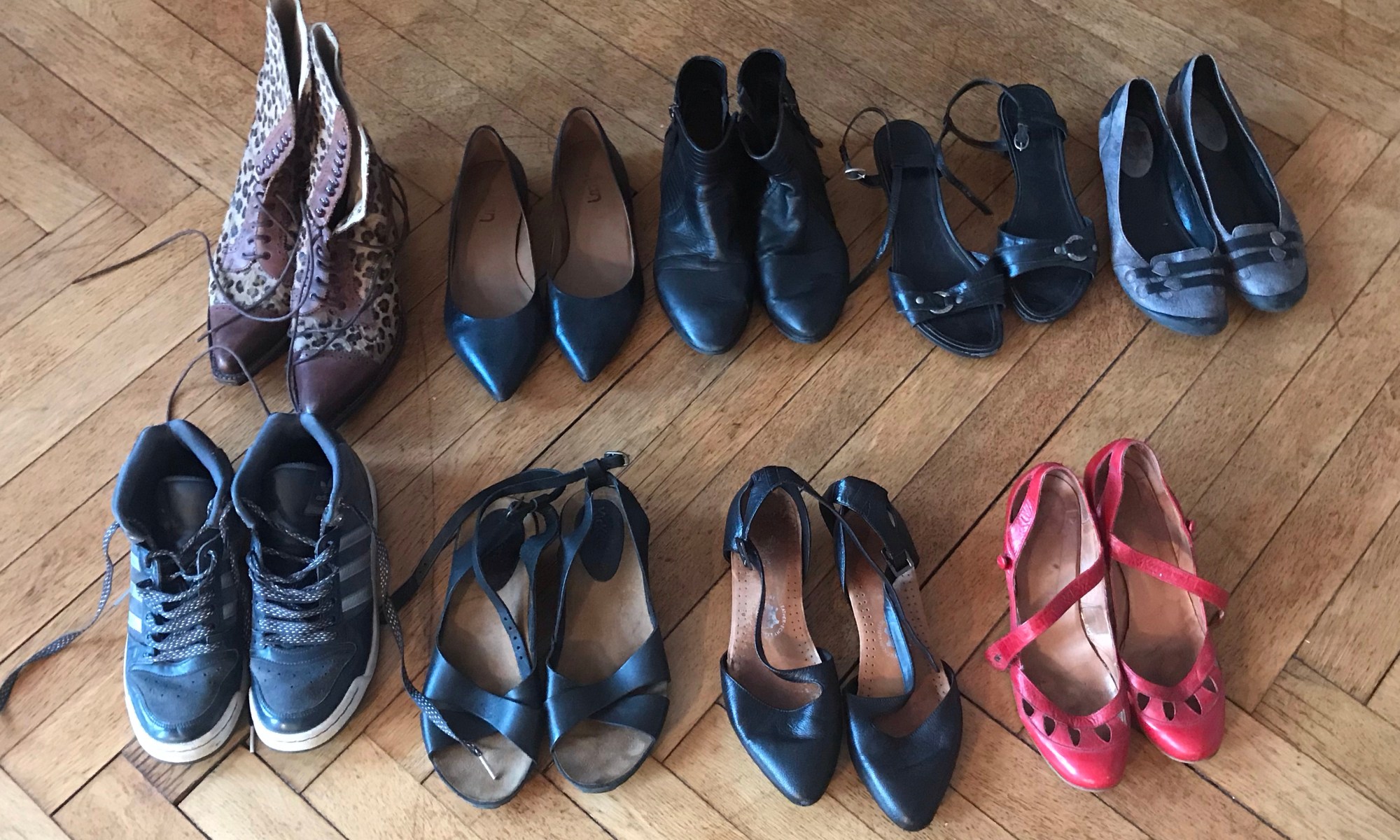
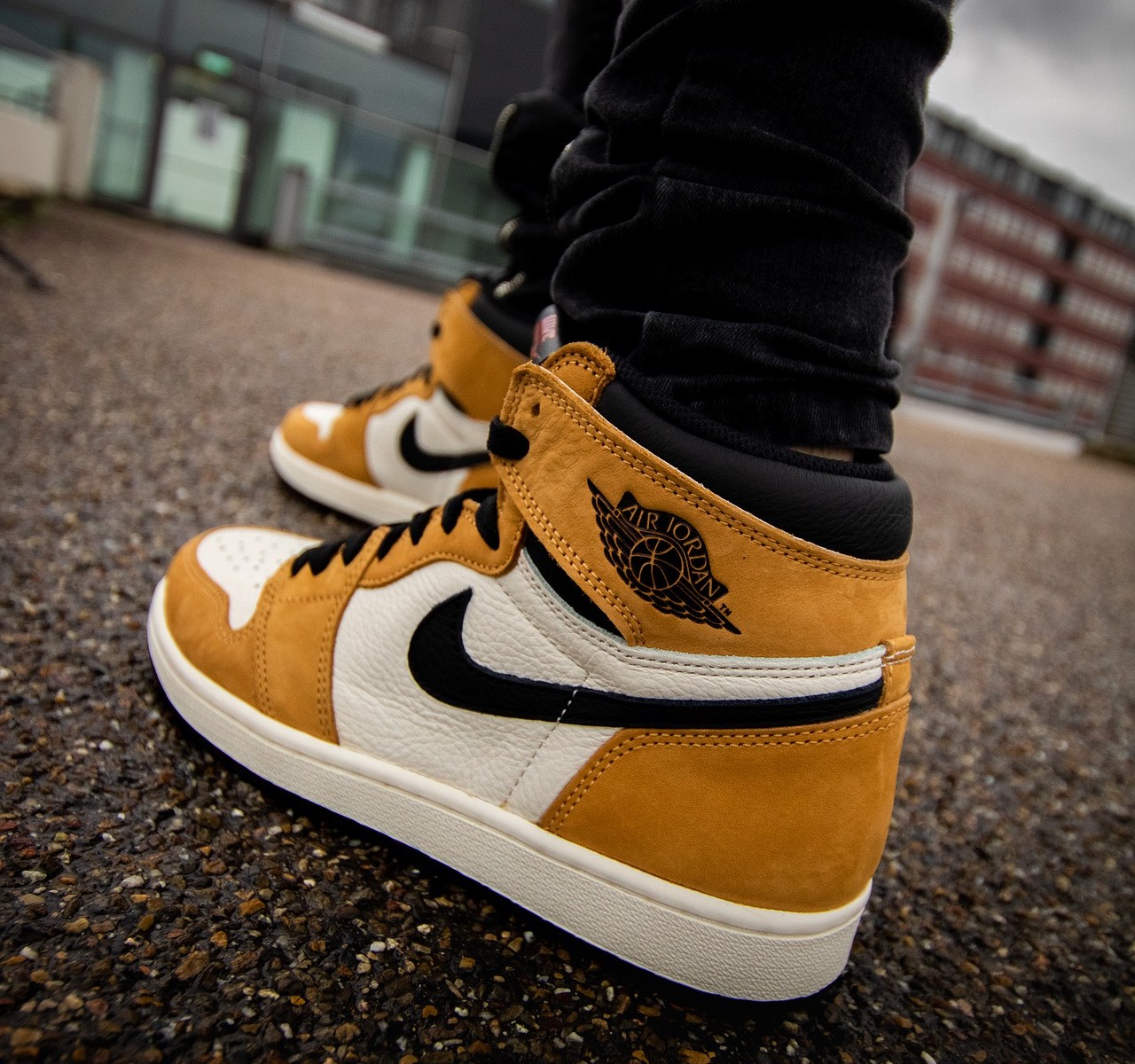
Dress for success – What is that supposed to mean?

Last week I was invited to an event with a dresscode: „Dress for success!“

My first thought was to wear a business suit.
My second thought was to wear a track suit or sweatpants and a sweatshirt. 
My irresolution lead me to these questions:

What is success anyway, and how do I feel, when I am successful? 
What do I connect with a successful life?
What do I wear when I am successful? 

Weiterlesen „Dress for success – What is that supposed to mean?“